

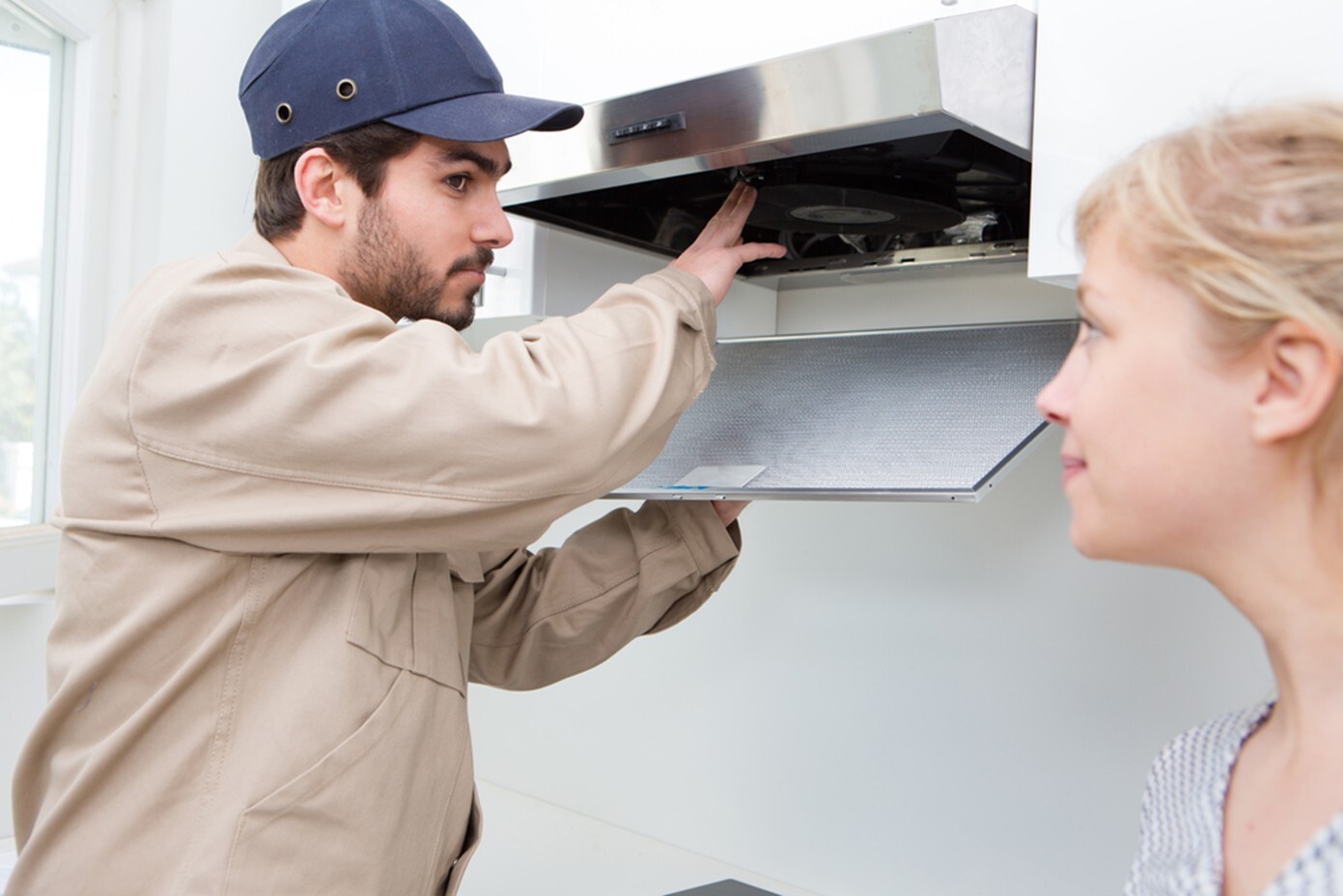
When your technicians are out in the field, you can't be in every home at once. So how do you make sure jobs are done right, customers are treated well, and your business runs the way you built it to? The answer is accountability — and it starts long before a tech ever rings a customer's doorbell.
Why Field Accountability Matters
For appliance repair businesses, your technicians are your brand. Every interaction they have in a customer's home is a direct reflection of your company's reputation. A missed appointment, a vague invoice, or a sloppy repair can unravel years of hard-earned trust — and these days, a single bad review can cost you dozens of future jobs.
Accountability isn't about micromanaging your team or assuming the worst. It's about building systems that set everyone up for success: your techs know what's expected, your customers get consistent service, and you have the visibility to catch small issues before they become big problems.
Start with Clear Expectations
You can't hold someone accountable to a standard they don't know exists. Before you implement any tracking tools or performance reviews, make sure every technician on your team clearly understands:
- How to document a job — photos, notes, parts used
- Your communication standards with customers (arrival notifications, explanation of work, follow-up)
- How to handle unexpected findings, upsells, or jobs that can't be completed same day
- Your policy on punctuality and how to report delays
Put these expectations in writing. Whether it's a tech manual, an onboarding checklist, or a digital field guide, having it documented means you can reference it in performance conversations — and your team can always look it up when they're unsure.
Use Technology to Create Visibility
Modern field service software has made it easier than ever to keep a pulse on what's happening in the field — without hovering over your techs' shoulders. Here are the tools that make the biggest difference for appliance repair operations:
Job Management & Scheduling Software
Using business management software like ServiceDesk will give you real-time visibility into job status, technician location, and schedule adherence. When a tech marks a job complete, you see it instantly. When they're running behind, you can proactively reach out to the next customer.
Digital Invoicing and Job Notes
Require techs to complete job notes before closing out a ticket. This creates a paper trail that protects you legally, helps with warranty claims, and gives you insight into what's happening in the field. A well-documented job note should include: appliance model and serial number, problem diagnosis, parts installed, work performed, and any follow-up recommendations.
Before and After Photos
Make photo documentation standard practice. Before-and-after photos confirm the work was done, protect you in disputes, and can even be used in marketing. Many field service apps make photo upload frictionless — your techs can do it in under a minute.
Customer Feedback Systems
Automated post-job surveys (sent via text or email after each appointment) give you direct insight into the customer experience. This is often where problems surface first — before a bad review gets posted online. A simple 1–5 star rating with a short comment field is enough to flag patterns worth investigating.
Build a Culture of Ownership, Not Surveillance

There's a meaningful difference between accountability and surveillance. Techs who feel monitored and distrusted tend to do the minimum required — and they don't stick around. Techs who feel trusted and invested in the company's success take pride in their work.
Here are a few ways to build that culture:
- Tie accountability to recognition. When a tech gets a glowing review or completes a difficult diagnostic without a callback, call it out. Public recognition reinforces the behaviors you want to see.
- Use data for coaching, not just correction. If a tech has a higher-than-average callback rate, bring it up as a growth conversation, not a disciplinary one. Look at the data together and problem-solve.
- Involve your team in setting standards. When techs help create the job documentation checklist or the customer communication protocol, they're more likely to follow it — because they helped build it.
- Be consistent. Accountability only works if it applies equally. If certain techs get a pass on documentation while others are held strictly to it, you'll breed resentment and undermine your whole system.
Conduct Regular Check-Ins and Performance Reviews
Don't wait until there's a problem to have a performance conversation. Regular one-on-ones give you a chance to address small issues early, recognize strong performance, and keep your techs engaged and supported.
For a smaller operation (1–5 techs), a monthly check-in is usually enough. For larger teams, consider a brief weekly huddle to go over stats, flag any issues, and align on the week ahead. Key metrics worth reviewing regularly include:
- Callback rate (jobs requiring a return visit for the same issue)
- First-call completion rate
- Average customer satisfaction score
- Parts accuracy (ordering the right part the first time)
- On-time arrival rate
These numbers tell a story. Over time, they help you identify your strongest performers, spot training opportunities, and make smarter decisions about scheduling and hiring.
Handling Accountability Issues When They Arise

Even with solid systems in place, you'll eventually need to address a tech who's falling short. Here's how to approach it constructively:
Document everything. Before having a performance conversation, gather the relevant data — job notes, customer feedback, callback history. Concrete examples make the conversation more productive and less personal.
Be direct and specific. Vague feedback like "you need to do better" doesn't help anyone. "Your last three job notes were missing the parts installed section — here's why that matters and what I need to see going forward" gives your tech something actionable.
Give a clear path forward. Set specific, measurable expectations for improvement and a timeline for re-evaluation. This respects your employee's ability to improve while also protecting your business if things don't change.
The Key Takeaway
Running a great appliance repair business means delivering consistent quality even when you're not in the room. That takes clear standards, the right tools, and a team culture where accountability is something people embrace rather than resent.
When done right, accountability isn't a burden — it's what separates the businesses that grow sustainably from the ones that stay stuck. Start with your expectations, invest in the right systems, and lead with transparency. Your techs — and your customers — will notice the difference.

